
Supplement Your Knowledge: Start With These 5


Walk into any supplement store and it’s easy to feel overwhelmed. Bright labels, multiple types of supplements that claim to do the same thing, and multiple brands selling the same supplements from low to astronomically high prices!
This is year four for me as a personal trainer and I wish this was a topic clients asked more about. My answers usually surprise them:
You don’t need most of them, but there are a select few that would help us live better, longer, and healthier lives if we took them regularly.
Supplements are exactly what the name implies — supplemental. They don’t replace good training, real food, sleep, or consistency. But when used correctly, a few well-researched supplements can absolutely support performance, recovery, and overall health.
Below are the top 5 supplements I recommend most often, who they’re for, and how to use them without overcomplicating things. Please note that I am not a registered dietician or doctor. These are recommendations and insights that I have learned over the years through conferences, books and my personal mentors and doctors. Always check with a licensed professional first, understand that dosages are personal and situation- specific, and perform your own research.

First, a Quick Reality Check
Before we dive in, here are a few beliefs I stand by:
Food comes first. Supplements don’t replace a balanced diet.
Consistency > perfection. Taking the “right” supplement once in a while won’t do much.
If it doesn’t have strong evidence, I don’t recommend it.
Supplements won’t create drastic changes overnight — but they can make daily functions and aging smoother over time.
If you only remember one thing from this article, let it be this:
The body you build comes from daily habits. Supplements help elevate the foundation.
1. Creatine Monohydrate

Best for: Absolutely everyone of all ages — not just lifters
Creatine is the most researched supplement in the world. It’s well known for helping to improve strength, power, and muscle recovery — but newer research also shows benefits for brain health and cognitive function. Part of this new research specifically supports the use of creatine for seniors, who aim to maintain optimal mental and physical function as long as possible.
Dose:
5 grams per day for general health and performance is the typical guideline
Emerging research suggests up to 10 grams per day -- taken any time of the day, according to Dr. Annette Bosworth -- may be beneficial for brain health in some individuals
No loading phase necessary (though it is an option). Take it daily no matter what you have on the agenda.
Common myth:
Creatine causes weight gain or is unsafe.
In reality, it’s one of the safest and most effective supplements available.
If you only take one supplement from this list — make it this one.
2. Multivitamin

Best for: People with inconsistent diets, busy schedules, or known nutrient gaps
A multivitamin is not a magic pill — but it can act as nutritional insurance.
Modern diets (especially in the U.S.) often lack variety, and some foods today contain fewer micronutrients than they once did due to soil depletion and food processing. If your nutrient intake isn’t consistent (enough fruits, vegetables, variety of meats and seafood) or you’re eating on-the-go a lot, a multivitamin can help fill small gaps.
How to think about it:
This is a catch-all, not a replacement for a good balance of proteins, fats, fruits and veggies.
Common mistake:
Assuming a multivitamin means you don’t need all the colors of the rainbow in fruits and veggies or real food anymore.
3. Omega-3s (Fish Oil)

Best for: People who don’t eat fatty fish 2–3x per week, certain brain issues, and those with high levels of inflammation
Omega-3s Support:
Joint health
Heart health
Brain function
Inflammation control
Even if you eat fish often, everyone can majorly benefit from fish oil. Fish oil has been shown by certain studies to be beneficial in higher doses than typical recommendations. For example, I take up to 6 or more capsules of Thorne Super EPA, and up to 8 capsules when I was recovering from my concussion.
Key tips:
Look at the EPA + DHA content, not just “fish oil” milligrams.
Many people benefit from higher doses than expected, especially if they deal with joint pain, inflammation, or poor recovery. But make sure to consult a professional before upping the dose.
Common mistake:
Buying low-quality fish oil or assuming one capsule is enough.
4. Vitamin D
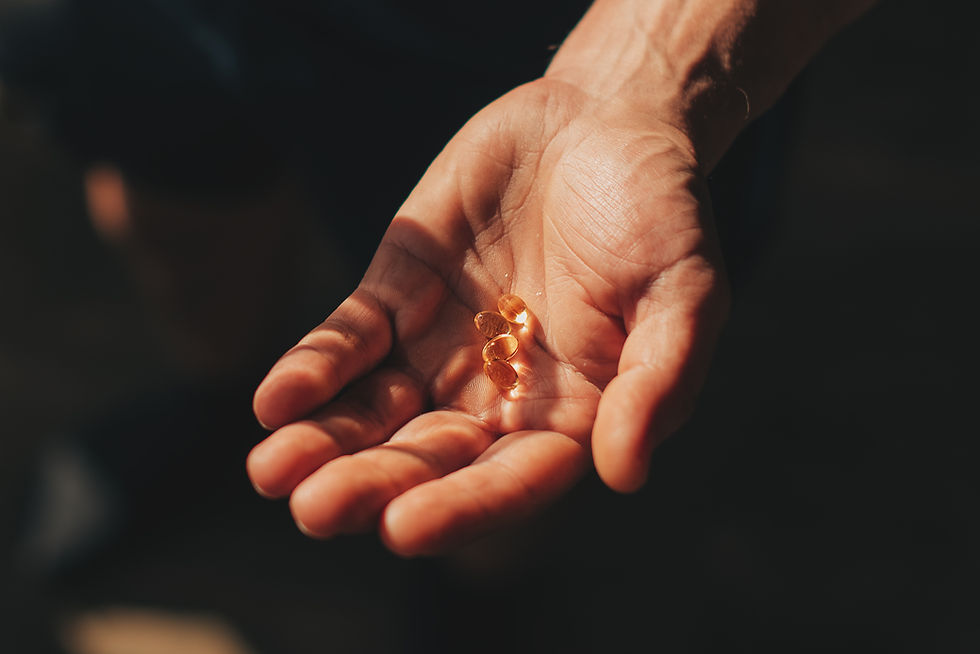
Best for: People with limited sun exposure (which is most of us)
Vitamin D plays a role in:
Bone health
Immune function
Mood and energy
Hormone regulation
Many people are deficient — especially those who work indoors or live in areas with less sunlight.
Important note:
I would look into your bloodwork to help determine the proper dose for yourself.
I also suggest looking for companies (I use Metagenics) that pair Vitamin K in proper ratio with Vitamin D, which is key for proper utilization. They’re besties and can’t work without each other.
Common mistake:
Guessing instead of testing — or never rechecking levels.
5. Magnesium

Best for: Stress, sleep issues, muscle tension, and recovery
Magnesium is involved in hundreds of processes in the body, yet many people are deficient.
What matters most here is the type:
Magnesium Glycinate
Best for: relaxation, sleep quality, stress reduction
Why: Highly absorbable and gentle on the stomach
Magnesium Citrate
Best for: digestion and regularity
Why: Draws water into the intestines (not ideal before bed)
Magnesium L-Threonate
Best for: brain health, cognition, focus (highly recommend for my over thinkers, high stress, and high anxiety clients)
Why: This form can cross the blood-brain barrier, making it unique for neurological support
Magnesium Malate
Best for: muscle soreness and energy production
Why: Often well tolerated and supportive for active individuals
Magnesium Oxide Generally not recommended
Why: Poor absorption; commonly used because it’s cheap, not effective
You do not need to take all of these. Just take the ones you feel you need most based on your lifestyle. This is not a one-size-fits-all supplement.
Best time to take it:
Many people benefit from taking it in the evening, especially glycinate or L-threonate, due to its calming effects.
Common mistake:
Buying the cheapest form without checking absorption or purpose.
How to Choose High-Quality Supplements (Brands Matter)

Not all supplements are created equal. Two products can have the same label claims and drastically different quality, absorption, and purity.
When choosing supplements for myself and my clients, I look for brands that:
Use third-party testing
Are NSF Certified or USP Verified when possible
Clearly list dosages and forms (not proprietary blends)
Prioritize bioavailability, not hype
Brands I Trust and Recommend
While there are several solid companies out there, the brands I consistently recommend are Thorne, Design for Sport / Design for Health, and Metagenics.
Why these brands stand out:
Extensive third-party testing
NSF Certified for Sport (trusted by professional athletes)
Clinically relevant dosages
Minimal fillers and unnecessary additives
Strong emphasis on research and transparency
Other reputable brands (depending on the supplement and availability) may include companies that meet similar testing and quality standards — but the brands I mentioned remain my go-to when clients ask where to start and want something reliable without guesswork.
If you’re investing in supplements, quality matters more than quantity.
Supplements I Don’t Recommend (and Why)
Just as important as what to take is what to skip:
❌ “Fat burner” supplements — they’re mostly stimulants and have false promises
❌ Protein powders as your main protein source — food should come first
❌ Replacing vegetables with greens powders — powders don’t chew, digest, or nourish the same way real food does
The Biggest Supplement Mistakes I See
Expecting drastic changes instead of gradual support
Taking supplements inconsistently
Never getting blood work done or having it improperly interpreted
Thinking supplements are either useless or miraculous
The truth is somewhere in the middle.
Final Takeaway
You don’t need a cabinet full of supplements to be healthy or fit.
A small, evidence-based stack, taken consistently and paired with good habits, goes a long way.
If you’re unsure what you actually need:
Talk to a trainer and follow up with a licensed professional
Ask for guidance based on your goals and lifestyle
Stop guessing and get a plan
Your brain and body deserve to function at their peak! Supplements help with that. :)


Comments